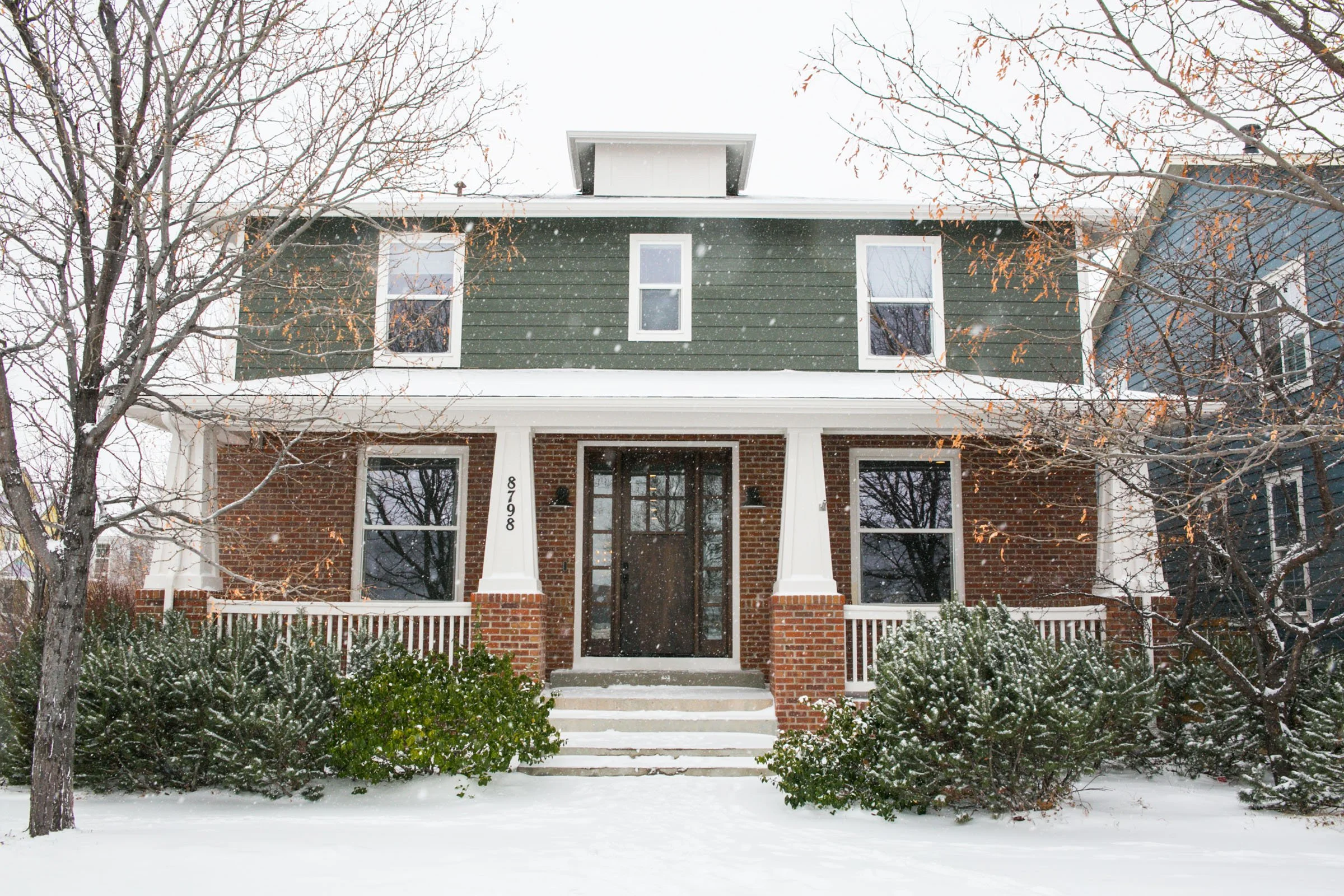
Denver Exterior Renovation
Planning a Denver exterior renovation means designing for three things Colorado does harder than almost anywhere: hail, freeze-thaw cycling, and expansive clay soil. Start with a full assessment of the roof, siding, windows, and drainage, then choose impact-rated and UV-stable materials before you think about style. Schedule the work between late spring and early fall, and hold ten to fifteen percent of the budget back for what the walls reveal.
Most exterior renovation advice is written for a national audience, which makes it close to useless here. Colorado is not a general climate. We sit in one of the most hail-prone corridors in the country, on soil that expands when it gets wet, at an altitude where the sun does measurable damage to finishes.
Get those three right and an exterior lasts decades. Get them wrong and you will be repairing new work inside of five years.
Why Colorado Weather Matters During an Exterior Renovation
The Front Range runs through what insurers call Hail Alley, and Denver metro sits near the center of it. That single fact should shape your roofing and siding decisions more than any aesthetic preference.
Behind hail, the forces working on a Denver home exterior:
Freeze-thaw cycling. Our sunny winter days melt snow that refreezes overnight, and we run through that cycle far more often than colder, cloudier climates. Water gets into masonry, mortar, and concrete, expands, and breaks it apart.
UV at altitude. Denver's advertised 300 days of sunshine is a marketing number more than a meteorological one, but ultraviolet intensity really does climb with elevation. Finishes fade and degrade faster here than the manufacturer's national warranty assumes.
Expansive soil. Much of the metro sits on clay that swells when wet and shrinks when dry. This is the defining foundation issue on the Front Range, and it is a drainage problem before it is a structural one.
Downslope winds. Winter wind events off the foothills drive rain and snow sideways into assemblies designed for water falling down.
Very low humidity. Wood moves, caulk fails early, and paint ages differently than it does in a humid climate.
None of that means Denver homes are fragile. It means the details that get skipped elsewhere cannot be skipped here.
Start With a Complete Home Exterior Inspection
Before choosing anything, find out what you actually have. A proper assessment covers:
Roof. Age, material, granule loss, prior hail damage, flashing at every penetration, and whether previous repairs were done correctly
Siding. Cracking, cupping, failed caulk joints, and any soft spots where water has been getting behind it
Windows and doors. Drafts, failed seals, fogged glass, and rot at sills
Gutters and downspouts. Capacity, pitch, secure attachment, and where the water actually goes when it leaves
Grading. Whether soil slopes away from the house on every elevation
Foundation. Cracks, displacement, and any signs of movement, which on Front Range clay usually trace back to water
The order matters. Water management problems tend to be the root cause of everything else on this list, and replacing siding over a drainage problem just hides it for a few years.
Choose Materials Made for Colorado Conditions
Every exterior material decision here should be filtered through the same question: how does this behave under hail, sun, and repeated freezing?
Sun and UV Exposure
South and west elevations take the worst of it. Expect them to fade and chalk sooner than the rest of the house, and plan accordingly.
Choose UV-stable finishes and factory-applied coatings over field-applied where possible
Darker colors show fade more visibly, which matters on large siding runs
Ask specifically how a warranty treats fade at altitude, since many are written to national averages
Decking and exterior doors on unshaded elevations need the most attention
Snow, Ice, and Freeze-Thaw
The damage here is rarely the snow itself. It is meltwater going somewhere it should not, then freezing.
Detail flashing and roof penetrations for water that refreezes rather than drains
Size gutters for melt volume, not just rainfall, and keep downspouts clear of walkways where ice forms
Watch north-facing slopes, which hold snow longest and are where ice dams show up
Masonry, mortar, and concrete take the worst of freeze-thaw, so specify materials rated for it and reseal on schedule
Drainage and Water Management
This is the most important section on this page, and the one most often skipped.
On expansive Front Range clay, water pooling near a foundation causes soil to swell, and that movement is what cracks foundations and racks door frames. Drainage is structural work disguised as landscaping.
Grade soil away from the house on every elevation, without exception
Extend downspouts well clear of the foundation rather than dumping at the base
Keep window wells drained and covered
Watch for irrigation and planting beds that hold moisture against the wall
Address any hardscape that pitches back toward the house
Windows and Doors Deserve Their Own Decision
Windows are where comfort, energy performance, and character all meet, and where the wrong choice is most visible.
In older Denver neighborhoods this gets more complicated. If your home sits in a designated historic district, exterior alterations including window replacement generally require Landmark Preservation review, and the standards are specific about materials and profiles. That process is manageable, but it needs to be in the schedule from the start rather than discovered midway.
Even outside a district, we would push back on stripping original windows from a house with good ones. Restoration plus a well-fitted storm window often outperforms a cheap replacement unit and keeps the character that makes the house worth renovating.
Energy Efficiency Is Where the Money Is
If comfort and operating cost are driving the project, the highest-impact work is usually invisible.
Ranked roughly by return in this climate:
Air sealing. The cheapest meaningful upgrade available, and the most consistently underspecified
Attic insulation. Older Denver homes are frequently well under current standards
Windows and exterior doors, particularly on west-facing rooms that bake through summer afternoons
Wall insulation, which is worth doing whenever siding is already coming off
Siding systems with a properly detailed rainscreen or drainage plane behind them
That fifth point is worth dwelling on. The gap behind siding that lets assemblies dry is one of those details that costs almost nothing during construction and prevents the failures that show up a decade later.
Plan Outdoor Living for the Weather You Actually Get
Denver's outdoor season is longer than most people plan for and less predictable than they hope. Shoulder seasons here can be excellent, and they are exactly when an uncovered patio goes unused.
What makes outdoor space actually get used:
Cover. A roof, pergola, or awning extends usable weeks at both ends of the year more than anything else you can add
Shade on the west, because unshaded west-facing patios are unusable on summer evenings
Heat. Radiant heaters or a fire feature buy back most of spring and fall
Decking rated for our sun, since composite and wood both behave differently at altitude
Drainage, including where snowmelt off the roof lands
Lighting, which determines whether the space works after dinner
Planting that suits our water reality, since restrictions and dry summers make thirsty landscaping a recurring problem
Timing Your Denver Exterior Renovation
Exterior work is weather-dependent in a way interior work is not. Roofing, siding, painting, masonry, and concrete all have temperature and moisture limits that our climate enforces.
Late spring through early fall is the working window for most exterior scopes
Design and permitting happen in winter, which is the right use of those months
Book early. Hail seasons create surges in demand, and good crews fill up well in advance
Build in weather contingency. Afternoon storms and early snow both cost days
The practical implication is that a project you want finished by fall should be in design by late winter. Teams that can start immediately in June are usually teams with unexpected availability.
Work With a Team That Understands Your Home
Exterior renovation touches structure, weather sealing, drainage, and often the foundation. Those systems interact, and a crew that treats siding as a finish product rather than part of a water management assembly will cause problems it never sees.
What to look for:
Verifiable licensing and insurance
Direct experience with houses of your era, which in much of Denver means pre-1960
Familiarity with Denver permitting, and with Landmark review if your home is in a district
Design and construction on the same team, so the drawings get priced by the people who build them
A described process, phase by phase, rather than improvisation
References who will tell you what went wrong
Our own design-build process runs in three phases: feasibility first, where we establish what your house and budget will actually support, then design and pre-construction, then build. On exterior work that first phase matters more than usual, because what we find during assessment frequently changes the scope.
Create a Realistic Budget
Exterior budgets are less predictable than interior ones, because more of the scope is hidden until work begins. Rot behind siding, failed flashing, and undersized structure all turn up regularly.
Build the budget to include:
Design fees and construction costs
Permits, and Landmark review fees if applicable
Materials, with lead times confirmed before scheduling
Repairs to whatever the assessment finds
Ten to fifteen percent contingency, which on older homes is not optional
Think About Long-Term Value
The right exterior decision is rarely the cheapest one, and it is also rarely the most expensive.
Ask of every material: How does it age in this climate? What will maintaining it actually require of me? Does it suit the house, or is it fighting the architecture? Will it still look deliberate in fifteen years?
An exterior is the one part of a home you cannot renovate around. It is what protects everything inside it and the first thing anyone sees. Choices that were made to save a few thousand dollars tend to become visible, and expensive, right about the time you stop thinking about them.
Bringing It Back to Your House
Walk your property after the next real storm. Look at where water actually goes when it comes off the roof, whether it pools anywhere near the foundation, and how the west-facing elevation is holding up compared to the north.
That walk tells you more about what your house needs than any material catalog.
Lindy Design Build handles design and construction with one team, from feasibility through the final walkthrough. Promise over prestige. If you want to talk through what your exterior needs, including whether it is a full renovation or a targeted fix, we are glad to have that conversation before you have committed to anything. You can see our work or get in touch whenever you are ready. If interior work is on the list too, our guide to Denver home improvement covers how we think about the inside.
Frequently Asked Questions
1. What is the best time for a Denver exterior renovation?
Late spring through early fall for most exterior scopes, since roofing, siding, painting, masonry, and concrete all have temperature and moisture limits. Use the winter for design and permitting so you are ready to build when the weather turns. Book earlier than feels necessary, because hail seasons create demand surges that fill good crews months out.
2. What exterior materials work well in Colorado weather?
Prioritize impact resistance for hail, UV stability for altitude sun, and freeze-thaw rating for anything masonry or concrete. Class 4 impact-rated roofing is worth pricing, and many Colorado insurers offer premium discounts for it, so ask your carrier before deciding. Also confirm how a warranty handles fade, since many are written to national averages rather than to conditions here.
3. How can an exterior renovation protect my home from water?
Grading first, then gutters and downspouts sized for melt volume, then roof and flashing details. This matters more in Denver than in most markets because much of the metro sits on expansive clay that swells when it gets wet. Water pooling near a foundation causes soil movement, and soil movement is what cracks foundations. Drainage is structural work.
4. Can an exterior renovation improve energy efficiency?
Considerably, and the highest-return items are the least visible. Air sealing and attic insulation usually beat window replacement per dollar spent. If siding is coming off anyway, adding wall insulation and a proper drainage plane behind the new siding is the best value available in the whole project.
5. Should I renovate my entire exterior at once?
Doing it together generally costs less than phasing, because setup, scaffolding, and mobilization get paid for once instead of repeatedly. Phasing makes sense when budget requires it. If you phase, sequence by what protects the house: drainage and roof first, then walls and windows, then anything cosmetic.
6. Do I need special approval to renovate my exterior in a historic district?
If your home is in a designated Denver historic district or is an individually designated landmark, exterior alterations generally require Landmark Preservation review, with specific standards for materials and profiles. It is a manageable process, but it takes time and needs to be built into the schedule from the beginning rather than discovered mid-project.